
The Valorant agent tier list for 2026 is your fastest route to ranked improvement-skip the guesswork and focus on what's actually winning games right now. Every pick here is shaped by the current patch meta, where gunplay matters more than raw utility stacking. Whether you're grinding solo queue or building a coordinated team comp, this breakdown covers the most effective choices from top to bottom.
For more tips on improving your ranked performance, check out our Valorant beginner guide.
Patch and methodology

This Valorant agent tier list reflects the meta as of mid-2026, based on the latest balance adjustments and real performance data pulled from millions of competitive matches across all ranks. The current patch has pushed the game toward a gunplay-first approach, which directly reshapes who's worth running and who's collecting dust.
Rankings here are built on a combination of factors:
- Win rate - both overall and in non-mirror matchups (rounds where the agent isn't on the opposing side)
- Pick rate - how frequently players select an agent across ranked lobbies
- K/D ratio - individual combat contribution relative to deaths
- Map representation - presence in top team compositions across different battlegrounds
- Self-sufficiency - how well an agent performs without relying on coordinated teamwork
The list is weighted toward solo queue and ranked play - not coordinated five-stacks or professional environments. Map-specific performance and ease of use both factor in, since an agent that takes hundreds of hours to master ranks differently than one you can impact with immediately.
This tier list is updated for the current meta and is most useful for ranked solo queue players. Some agents perform differently at higher skill brackets or on specific maps - those details are covered later.
S-tier agents here have consistently high win rates, versatile utility, and strong impact regardless of team composition. Every rank below reflects a step down in either consistency, accessibility, or raw effectiveness in the current environment.
Tier table
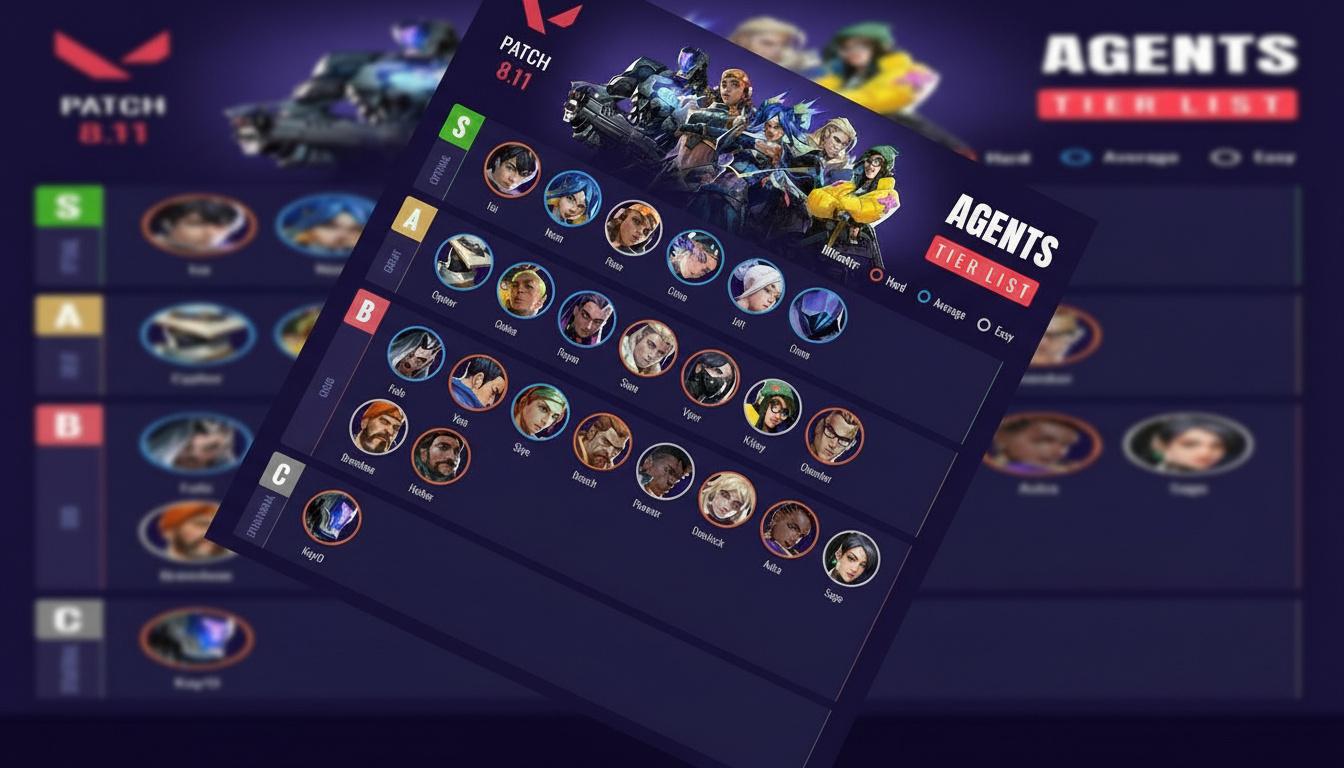
Here's a scannable overview of every agent ranked by their overall effectiveness in the current competitive season. Use this as your quick reference before diving into role-specific breakdowns.
| Tier | Agents |
|---|---|
| S | Clove, Sage, Brimstone |
| A | Jett, Chamber, Raze, Cypher, Gekko, Killjoy, Phoenix, Sova, Fade |
| B | Neon, Vyse, Viper, Deadlock, Skye, Breach, Astra, Reyna, KAY/O, Omen |
| C | Yoru, Iso, Tejo, Waylay, Miks, Veto |
| D | Harbor |
A quick breakdown of what each tier actually means:
- S tier: Meta-defining agents with top win rates, strong utility, and consistent impact in virtually any team composition
- A tier: Solid picks that excel across most situations and maps, but lack the universal dominance of the top bracket
- B tier: Viable options with situational strengths - or agents that demand more skill and coordination to maximize
- C tier: Niche picks that can work in specific comps or on particular maps, but generally underperform compared to alternatives
- D tier: Below-average in the current meta and typically outclassed by others filling the same role
Clove sits at the top of the entire roster by win rate - their non-mirror win rate pushes well into the mid-50s percent range, which is remarkable for an agent with a pick rate approaching mid-high 30s percent. The self-sufficiency angle is the core reason: smokes from beyond the grave, a decay ability, and a resurrection ultimate make them a one-agent meta package.
Sage is the only dedicated healer in the game and holds a win rate comfortably above 53 percent. Resurrection swings rounds instantly, and her wall plus slow orbs give teams passive map control that doesn't require constant communication to execute.
Brimstone earns his S placement through raw explosive efficiency. Three simultaneous smokes, the longest-lasting screen in the game, and a post-plant molotov that locks down defuse attempts - no other controller can replicate that burst pressure when a team commits to a site execute.
Best agents by role
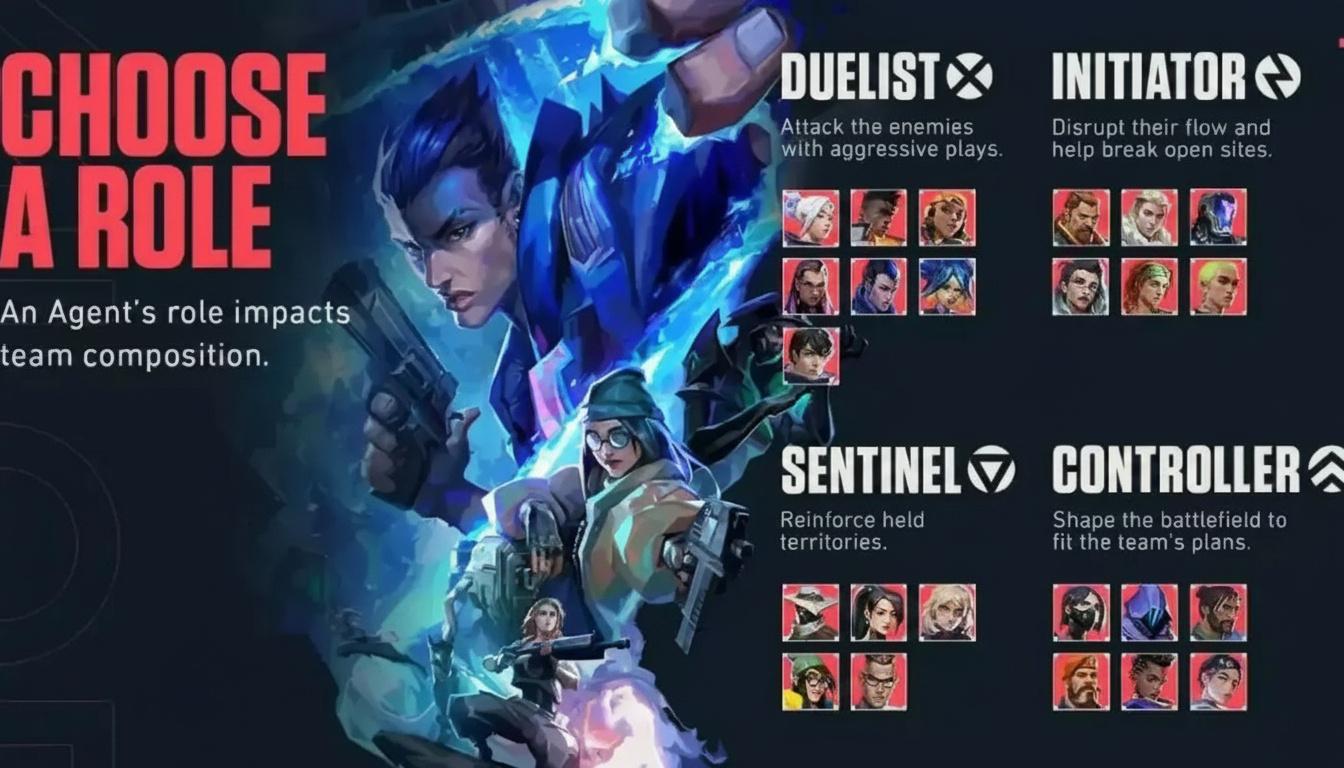
Agent roles - Controller, Duelist, Initiator, Sentinel - define how a team moves through the map, trades information, and executes site takes. Balancing these roles is what separates coordinated comps from chaotic ones. Here are the strongest picks for each category right now.
Best Controller
Controllers dictate game tempo through smokes and area denial. The role is considered the most critical in the game - smokes show up on every map, every round.
 Clove - Unmatched self-sufficiency. The ability to place smokes after dying removes the biggest weakness controllers typically carry. Their win rate is the highest in the entire game, and their representation across the map pool dominates every other controller. Solo queue-friendly by design.
 Brimstone - Three smokes dropped simultaneously enable the kind of coordinated site rushes other controllers can only partially replicate. His stim beacon provides a speed and fire rate boost that's underrated for breaking open tight choke points. Especially punishing on certain maps.
 Omen - Built for adaptability. Teleport allows him to fight from high ground, deny angles, and rotate unpredictably. Players who like lurking or taking calculated off-angles will find Omen rewards that playstyle consistently - he's the definition of hard to read.
Best Duelist
Duelists secure first blood, create numerical advantages, and carry sites open for the team. In a gunplay-focused meta, the best ones are those who can function independently.
 Jett - The most-picked agent across the entire game, with a pick rate well above half the field in many data sets. Her dash and aerial movement let skilled players hold impossible angles and escape punishment. Top competitive compositions feature her on the vast majority of maps.
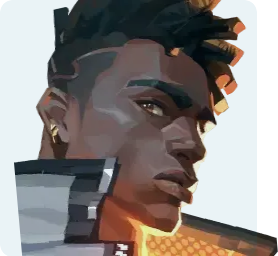 Phoenix - Versatile and forgiving. Self-healing from Hot Hands means he sustains through skirmishes, and his ultimate essentially gives the team a free entry - if he dies during the rush, he respawns and resets. That mechanic is genuinely broken in solo queue.
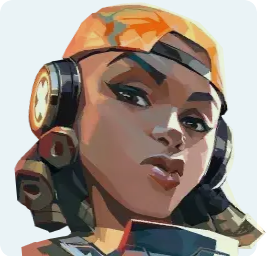 Raze - Underestimated for her utility-clearing value. Paint Shells and Blast Packs destroy default trap placements and open corridors that would otherwise cost a team a player to check. Her Boom Bot also doubles as a corner-clearing intel tool before a swing.
Best Initiator
Initiators gather information and set up duelists to take over sites. The role rewards proactive players who communicate - or agents built to act without needing comms.
 Sova - Consistently present in the strongest team compositions across open-sightline maps. Recon Bolt provides guaranteed intel before a commit, and Shock Bolts chip damage or clear traps without needing to peek. His representation rate on certain maps pushes past three-quarters of top compositions.
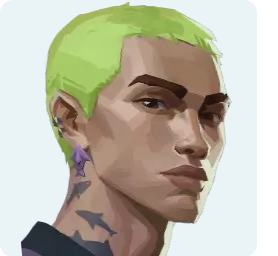 Gekko - Has the most reusable kit in the game. Seven effective flashes across a session, a sidekick that plants or defuses the Spike, and cooldowns short enough that abilities come back mid-round rather than between rounds. His win rate stays competitive despite typically carrying the lowest K/D among top agents.
 Fade - Fills gaps Sova can't. Her Haunt ability spots enemies in deep corners that a recon dart can't reach, and Seize pulls opponents directly into her crosshair. Nightfall is a late-game closer that hands control of a site to the attacking team with no clean counter.
Best Sentinel
Sentinels protect flanks, hold anchored positions, and provide passive information. Their value in solo queue scales with how reliably they operate without teammate support.
 Sage - Healing and resurrection in one kit is an obvious advantage. Wall Orb seals chokepoints, Slow Orb forces enemies to reveal position just by shooting it, and her ultimate has won more clutch rounds than any other ability in the game by converting 4v5s back into even fights.
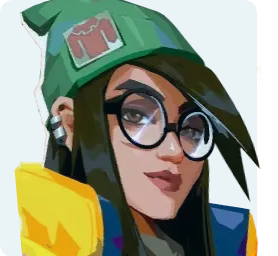 Killjoy - The most reliable flank watch available. Her turret baiting tech - playing aggressively while using the turret as bait rather than protection - is a genuine game-changer once you understand it. Lockdown is among the strongest ultimate abilities in the post-plant phase on larger maps.
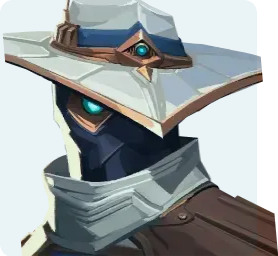 Cypher - Information-gathering tools that, when placed unpredictably, are difficult to counter. His ultimate is feast — or-famine but can entirely reset a round by confirming site clear or revealing the last defenders hiding in corners. Rotation reads through camera are a secondary skill ceiling worth investing in.
After filling your primary carry role, balance the remaining slots across initiator and sentinel coverage. Running two duelists with no intel or flank watch is the most common comp mistake in solo queue.
Best agents for beginners
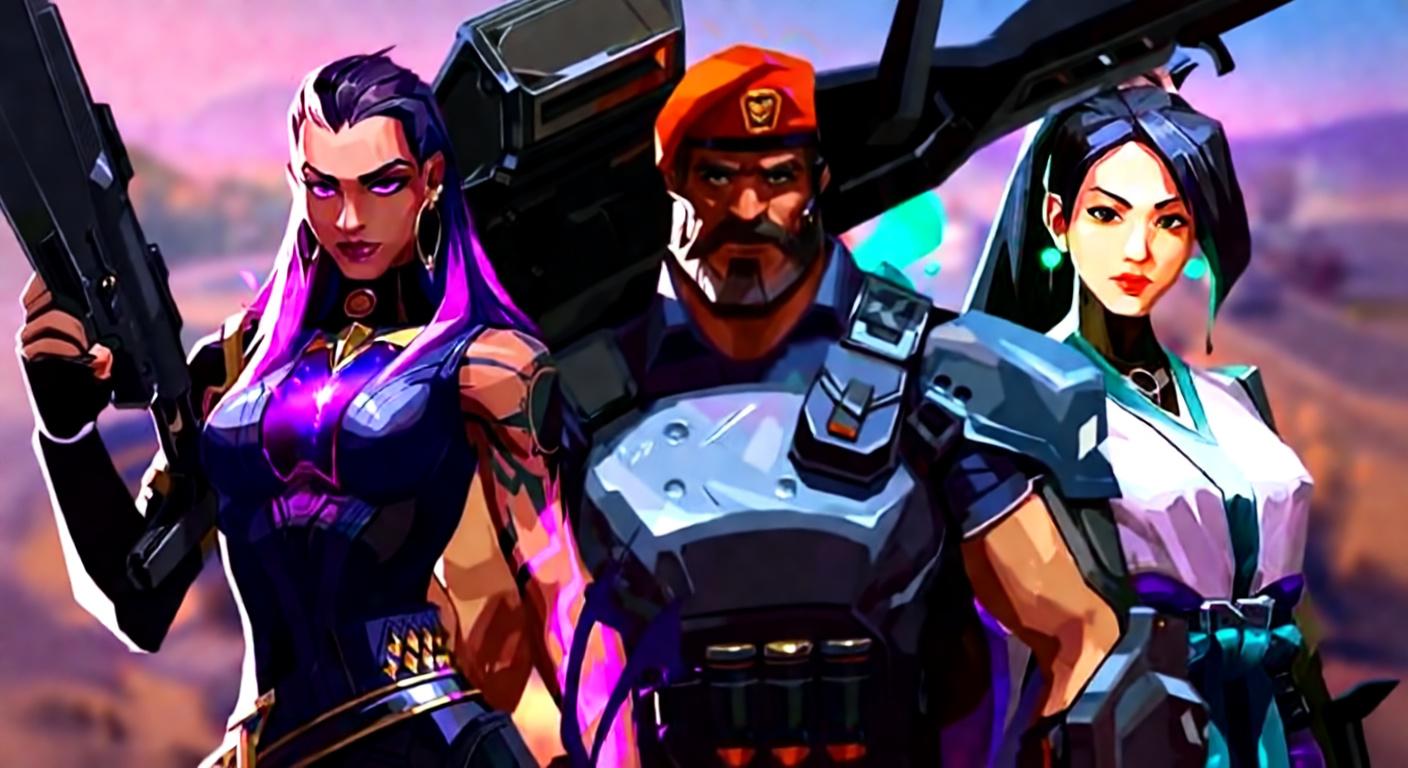
Some agents have kits simple enough that you contribute meaningfully from your first match, without needing deep game knowledge or hours of lineup practice. Here are the most accessible entry points into the roster - you can browse the full official roster at VALORANT Agents.
- Sage - Healing and resurrection are straightforward to use and immediately impactful. Even basic ability placement supports the team without requiring map-specific knowledge.
- Phoenix - Self-healing removes one layer of risk during entry fragging, and the ultimate is simple to activate. He's the best agent for players still developing solo mechanical instincts.
- Killjoy - Gadget placement has a learning curve, but the baseline effectiveness is high even with default spots. Area control and flank watch happen somewhat passively once gadgets are down.
- Brimstone - Smoke placement is the simplest in the Controller category since they're deployed from a UI map. Post-plant molotov usage is easy to learn and immediately changes round outcomes.
- Gekko - Flexible, forgiving, and reusable. Contributing through spike management and flashes doesn't require precise lineups or deep map knowledge to be useful.
Agents like Jett and Raze can be extremely rewarding for beginners with strong mechanical aim - but expect a steeper learning curve before the kit clicks consistently.
Map and rank caveats
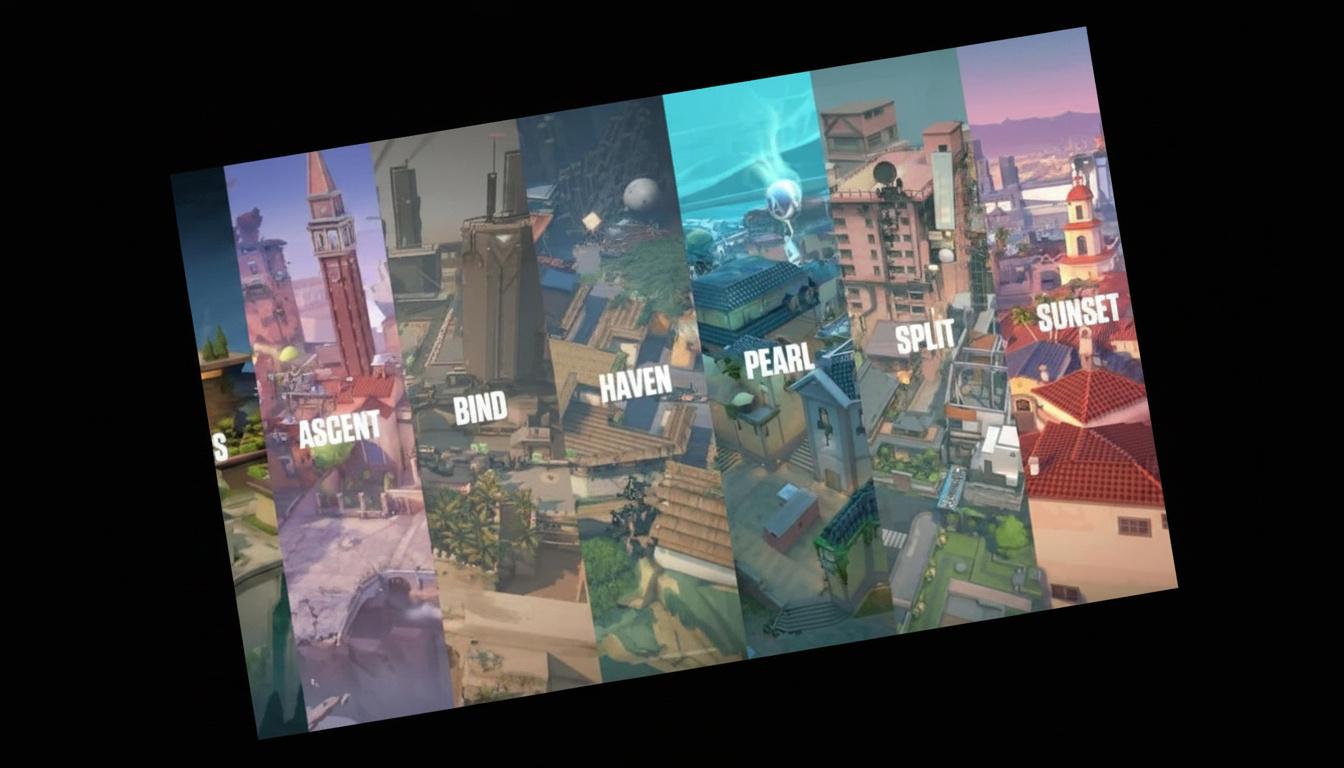
Agent strength doesn't exist in a vacuum - it shifts based on map geometry and the coordination level of your rank. Picking without considering these factors is leaving wins on the table.
On the map side, a few patterns stand out clearly:
- Clove dominates representation across nearly every map's top compositions - their presence on Lotus, Split, and Haven pushes past 80 percent of optimal comps in some cases, with the highest map rating values in the game
- Sova is most impactful on maps with long sightlines and open lanes - Breeze and Ascent are where his recon lineups approach near-mandatory status, with representation pushing toward three-quarters of strong comps on those maps
- Viper is a meta pick on large, open maps like Breeze where her wall and orb cover enormous ground - on tighter, shorter maps her value drops considerably
- Brimstone is particularly powerful on Bind, where his smoke timing and molotov post-plant utility combine with the map's layout to create situations no other controller replicates as cleanly
Rank-specific patterns matter just as much:
- Agents requiring heavy coordination - Astra and Breach are the clearest examples - significantly underperform in solo queue environments below Immortal because their kits depend on teammates acting on information simultaneously
- Self-sufficient agents including Phoenix, Clove, and to a lesser extent Reyna are generally stronger solo queue picks precisely because their impact doesn't require anyone else to cooperate
- Chamber and Jett reward mechanical precision above average - their ceiling is higher at Platinum and above, where aim duels are more consistent, but they underperform in the hands of players who haven't fully developed their gunfight fundamentals
Adapting your agent pick to the current map and your team's composition is one of the highest-leverage adjustments available. Forcing a main regardless of context is one of the most common reasons talented players stall out in a rank.
What changed
The current tier list reflects a meaningful meta shift as of mid-2026 - the game has moved away from heavy utility dependency toward rounds decided more often by raw aim and positioning.
The most significant structural change is the reduction of utility density across the board. That shift hits coordination-dependent agents hardest. Astra, Breach, and KAY/O all fell as a result - their value proposition is built on utility interactions that happen less often in the current environment.
Key movers in the current landscape:
- Clove has maintained S-tier status despite Riot's repeated balancing attempts - their non-mirror win rate refuses to drop, confirming the kit is structurally strong rather than just popular
- Killjoy quietly benefited from utility changes - her flank watch and turret pressure become more valuable when other agents' util becomes less oppressive, since hers is consistently reliable regardless of enemy comp
- Harbor has cycled through reworks and adjustments and still sits at the bottom of the tier list with the lowest pick rate in the game - despite iterations, the kit hasn't found consistent meta relevance
- Omen has seen a notable drop in non-mirror win rate, landing near the bottom of the overall standings despite remaining popular with solo queue players who value his adaptability
The current patch doesn't reward passive, info-heavy play as heavily as previous metas did. Agents who generate value through proactive ability use - Clove, Phoenix, Gekko - are trending upward. Pure info agents without strong follow-up tools are trending down.
Related guides
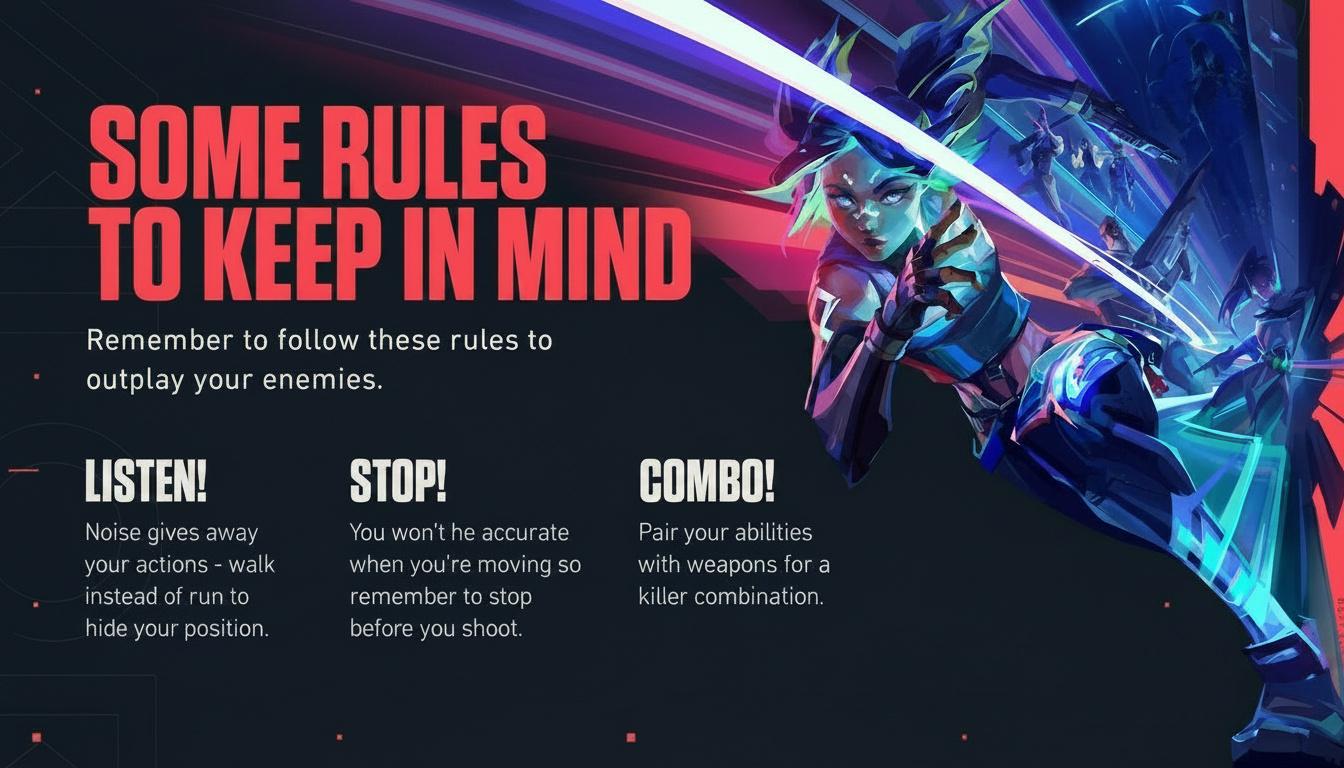
For more tips and guides to improve your Valorant gameplay, check out these resources: