
Jumping into Valorant for the first time can feel overwhelming-five strangers, one spike, and enemies who seem to know exactly where you are before you even peek. This Valorant beginner guide covers everything that actually matters at the start: agents, credits, settings, shooting, and the mistakes that quietly kill your progress. If you want to go deeper on specific topics right away, our Valorant best crosshair guide is a great companion to what you'll read here.
Before diving in, here's something worth knowing early: Valorant rewards calm, consistent play far more than mechanical brilliance. You can find the full official breakdown at the VALORANT Beginner's Guide from Riot, but everything practical you need to get started is collected right here.
What Valorant is
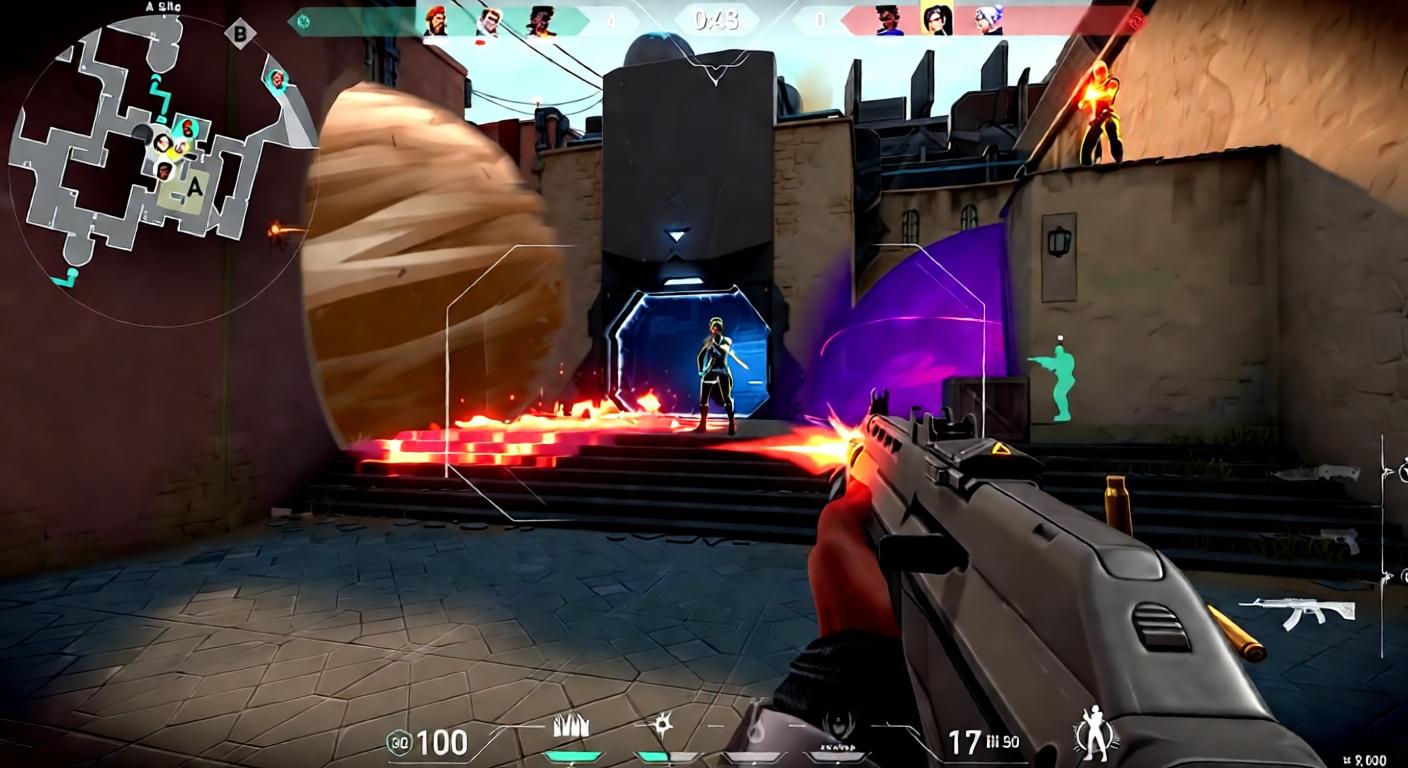
Valorant is a tactical 5v5 first-person shooter developed by Riot Games. Two teams of five compete-one attacks, one defends. The goal is to reach 13 round victories before the other team does.
The round structure is straightforward:
- Attackers try to plant the Spike at a designated site; defenders try to stop or defuse it.
- Each player has one life per round-no respawning mid-round.
- Teams swap roles after 12 rounds.
- The first team to claim 13 round wins takes the match.
Every player chooses an agent before the match. Each agent carries a unique set of abilities: two buyable skills, one signature ability that refreshes for free each round, and one ultimate that charges up over time through kills, deaths, and orbs on the map.
Credits are the in-game currency earned each round. You spend them on weapons, shields, and abilities before the round timer runs out. Spending smart — or saving when you should — is just as important as shooting straight.
Game modes worth knowing as a beginner:
- Unrated — the casual version with full competitive rules; ideal for learning maps and agents
- Competitive-ranked mode where performance affects your ladder standing
- Spike Rush-shorter matches, random weapons, great for quick practice
- Deathmatch-pure aim practice with no round pressure
- Escalation-team-based weapon progression, low stakes and fun
- Swiftplay-faster unrated format for when you're short on time
One thing separates good Valorant players from great ones: smart decisions under pressure. Teamwork, consistent crosshair placement, and clean economy habits win more rounds than individual flashy plays ever will.
First settings to change
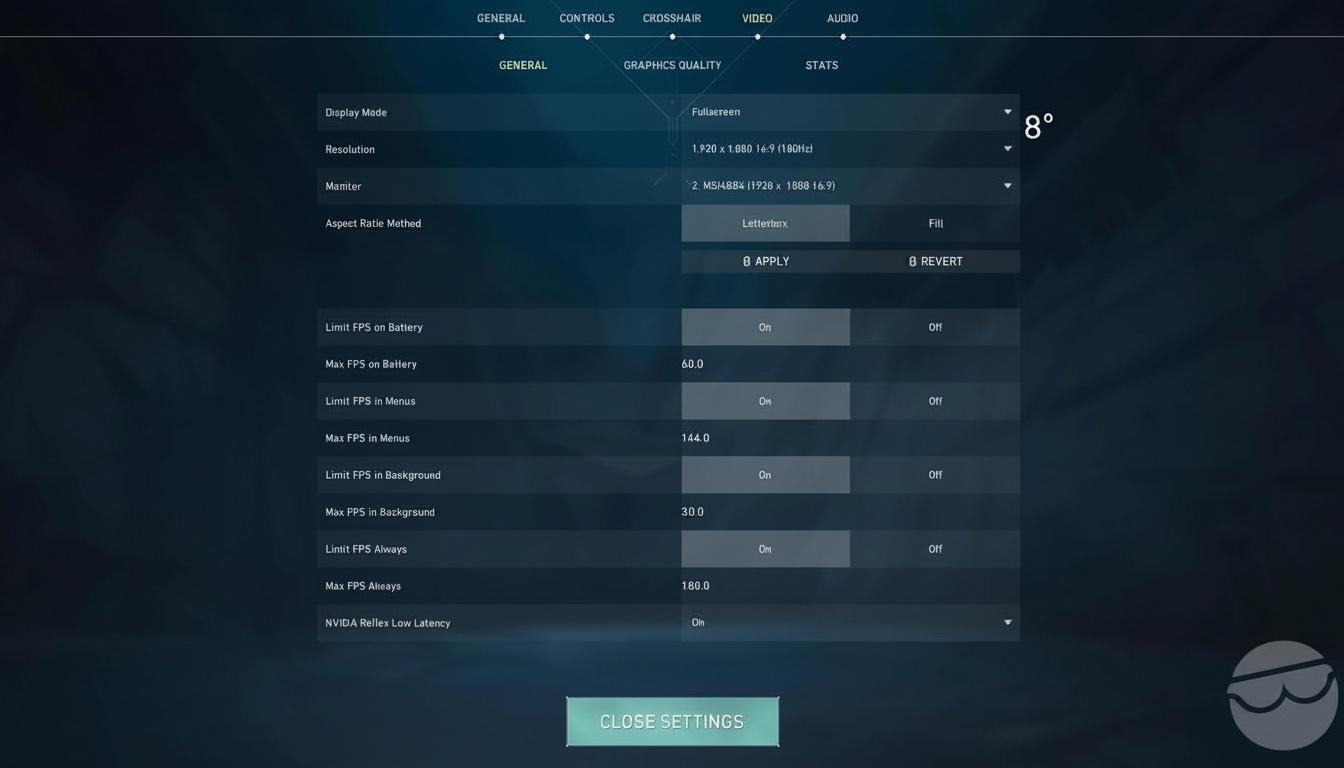
The right settings remove friction before you ever fire a shot. You don't need a perfect setup — you need one that feels stable and readable.
| Setting | Recommended Value | Why It Matters |
|---|---|---|
| Mouse Sensitivity | 0.4-0.6 in-game; 400-800 DPI | Enables precise aim and easy control |
| VSync | Off | Reduces input lag for faster response |
| Graphics Quality | Low-Medium | Ensures stable FPS and smooth gameplay |
| Display Mode | Fullscreen | Minimizes distractions and input lag |
| Mouse Acceleration | Off | Keeps aim consistent and predictable |
| Crosshair Color | Bright/Contrasting (e.g., Cyan) | Improves visibility on all backgrounds |
| Keybinds | Rebind for comfort | Makes abilities and comms easy to reach |
| Audio | Headphones, SFX high, music low | Lets you hear footsteps and important cues |
| Shooting Error Graph | On | Visualizes accuracy while moving or shooting |
A few practical tips to go alongside that table:
- Test your sensitivity in the Practice Range; if you consistently overshoot or undershoot bot heads, adjust slightly in one direction.
- Pick a crosshair color that stays visible on both bright and dark backgrounds-strafe left-right in the range and see if it disappears.
- Rebind ability keys to positions your fingers reach naturally; don't copy a pro setup just because it looks clean.
- Turn music down close to zero so footsteps, reloads, and ability sounds come through clearly.
- Keep your DPI and in-game sensitivity identical across every session-muscle memory needs consistency to build.
Start with comfortable settings and adjust only when something feels off-don't chase pro numbers right away.
Agent roles
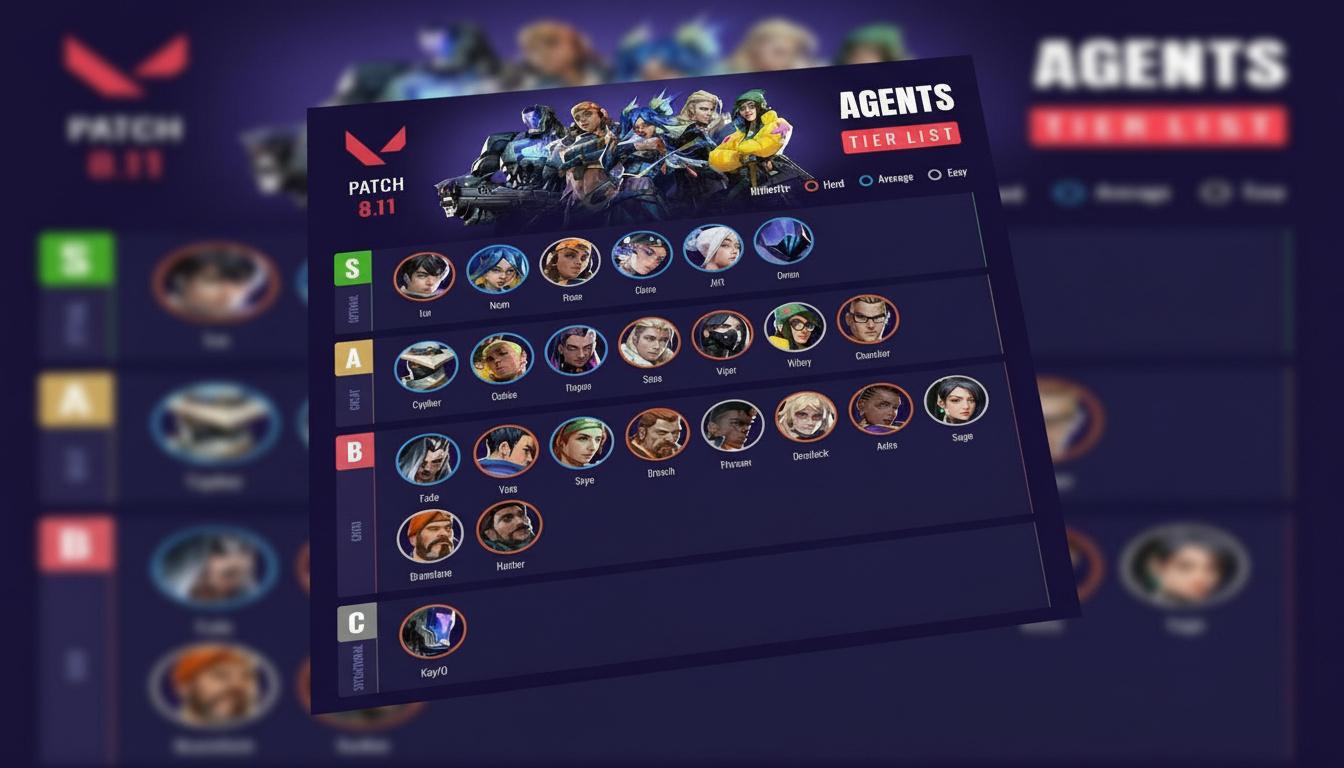
Agents are grouped into four roles, and each role serves a different purpose in every round. Knowing what your role demands — and what it doesn't-is one of the fastest ways to start contributing.
| Role | Main Responsibility | Beginner-Friendly Agent Example |
|---|---|---|
| Duelist | Entry fragging, creating space | Phoenix |
| Controller | Blocking vision, area control | Brimstone |
| Sentinel | Anchoring sites, healing, defense | Sage |
| Initiator | Gathering info, disrupting enemies | Sova |
Duelist agents lead the push. Their job is to enter contested spaces first and create room for teammates to follow. As a beginner playing Duelist, the priority is taking fights with a teammate close behind-not rushing alone and leaving the team at a disadvantage. The most common mistake: diving in solo, dying immediately, and handing the enemy a numbers advantage with nothing gained.
Controllers manage vision. Smokes block key angles so your team can move without being picked off from across the map. Beginners should focus on placing smokes before the team commits to a site, then saving at least one smoke for a late-round situation. The frequent error is burning all utility in the first few seconds, leaving nothing for post-plant or retake.
Sentinels hold ground. Their defensive tools and healing abilities make them the backbone of a stable defense. Beginners should prioritize staying alive and using utility at the right moment-not aggressively swinging wide angles like a Duelist. Dying first as a Sentinel removes the team's safety net entirely.
Initiators gather information and create openings. Recon drones, flashes, and disruptive abilities let teammates enter more safely. The focus as a beginner is using that information — then actually communicating it. Flashing your own team or using recon with no follow-up play are the two mistakes that frustrate teammates most.
Practical advice for picking agents:
- Try each role at least a few times before settling on a main-understanding all four makes you a smarter teammate regardless of what you lock in.
- After experimenting, narrow your pool down to two or three agents and build real confidence with them.
- Learn what enemy agents can do; knowing a Sova can drone under a door or a Killjoy can lock down a site changes how you play against them.
- Don't feel pressured to unlock or master every agent in the roster-depth beats breadth at the start.
Best starting agent per role:
- Duelist - Phoenix: Self-healing abilities, a clear identity, and simple mechanics give you immediate feedback on what's working.
- Controller - Brimstone: Smokes are point — and-click easy, and playing him naturally teaches round planning and timing.
- Sentinel - Sage: Healing and defensive walls reward survival-focused play; you contribute without needing to out-aim anyone.
- Initiator - Sova: Safe, long-range info gathering helps the team without requiring risky dives into contested spaces.
Supporting teammates and using abilities at the right moment matters more than topping the scoreboard. A well-timed smoke wins rounds that raw aim never could.
Economy basics
Credits decide what weapons and abilities your team can field each round. One player making a bad buy while everyone else saves can collapse an entire economy plan.
Ways to earn credits each round:
- 3,000 credits for a round win
- 1,900 credits for a round loss (increases with each consecutive loss in a streak)
- 200 credits per elimination
- 300 credits for planting the Spike (attacker side only)
The four buy types:
| Buy Type | What to Purchase | When to Use |
|---|---|---|
| Full Buy | Rifle, heavy shields, abilities | When the team can afford it together |
| Half Buy | SMG or cheaper rifle, light shields, some utility | When saving for a stronger next round |
| Eco | Pistol or nothing, no shields | After a loss, to enable a full buy next round |
| Force Buy | Best possible with all remaining credits | When a round feels critical and saving is less viable |
A few rules that make the economy click faster:
- Always buy with your team-five players with matching weapons beat one with a rifle and four with pistols every time.
- Never skip abilities to afford a more expensive gun; utility wins rounds that individual weapons can't.
- If your team announces a save round, don't solo-buy a rifle and burn through your credits alone.
- There is a credits cap, so hoarding indefinitely isn't possible-spend smart, not just frugally.
- Communicate before buying; a quick "saving" or "full buy?" at the start of the purchase phase takes two seconds and prevents wasted rounds.
Planning for the next round is just as important as winning the current one. A well-managed economy means your team shows up to key rounds with full firepower instead of improvising with pistols.
Shooting and movement
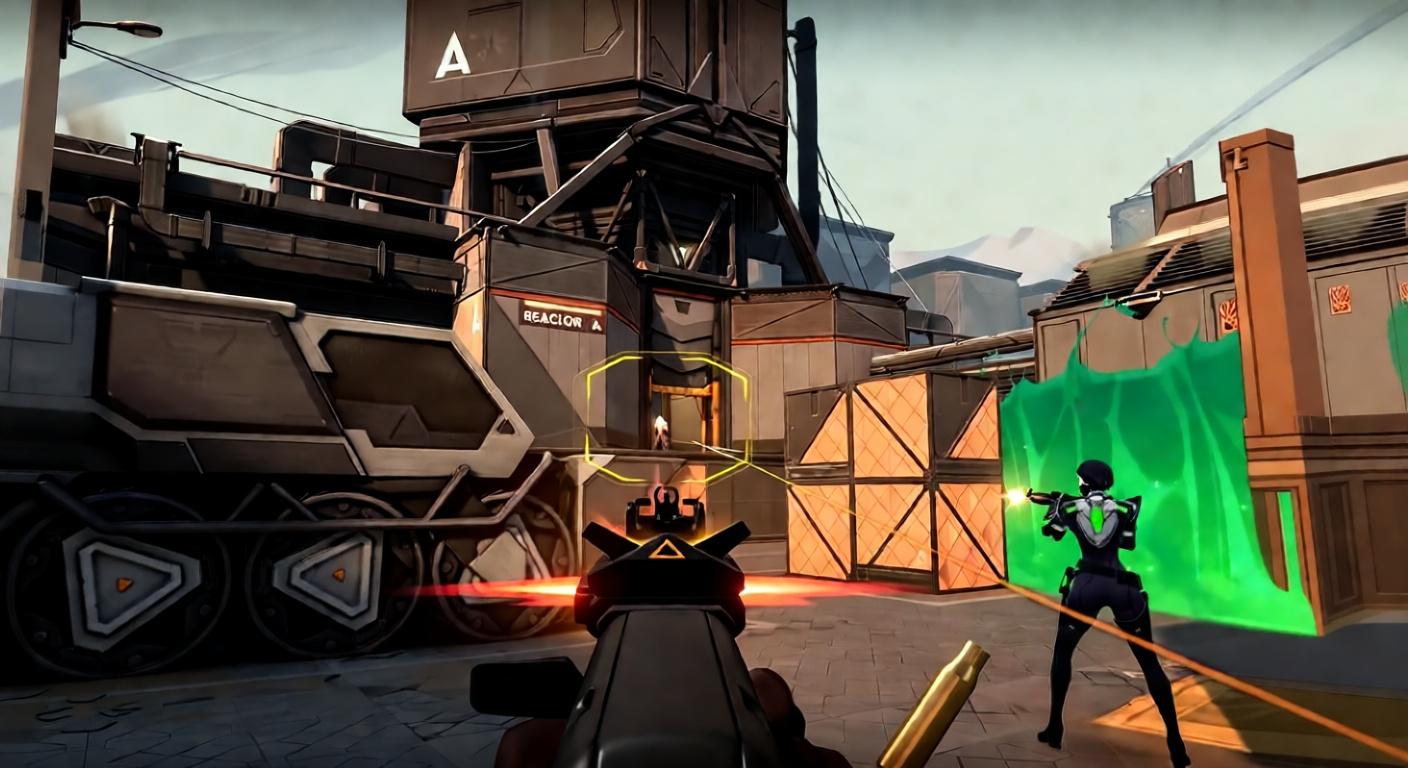
Accuracy and movement are directly connected in Valorant. Move while shooting and your bullets scatter widely; stop first and your aim tightens immediately. That single rule-stop before you shoot-explains a huge portion of deaths that feel unfair to new players.
Three core rules every beginner needs to internalize:
- Stop moving before firing-any velocity beyond point-blank range tanks your accuracy.
- Keep crosshair at head height-not on the floor, not at chest level; always where a head will appear.
- Use abilities as utility-smokes, flashes, and recon create advantages rather than serve as direct-damage tools.
Stopping before shooting relies on what's called a counter-strafe: tap the opposite movement key briefly to kill your momentum before pulling the trigger. It sounds small but it's the mechanical foundation everything else builds on.
Crosshair placement removes the need for large reactive flicks. Use map geometry-doorframes, crate edges, corners — as reference points to keep your aim pre-positioned at head level. When an enemy appears, the adjustment is minimal instead of a full correction from ground level.
Using abilities well means asking a simple question before each round: what can I do with this utility to make the next fight easier for my team? A smoke that cuts a defender's sightline converts a 50/50 peek into a much safer entry.
Beginner-friendly weapons at a glance:
| Weapon | Type | When to Use | Key Tip |
|---|---|---|---|
| Classic | Pistol | Free, always available | Right-click up close for a burst shot |
| Shorty | Shotgun | Cheap, close-range secondary | Pull it out for surprise kills in tight spots |
| Spectre | SMG | Early rounds, eco buys | Forgiving with movement, easy to control |
| Phantom | Rifle | Core buy, close to mid-range | Good for spamming and controlling through smokes |
| Vandal | Rifle | Core buy, any range | Focus on tapping and short bursts; avoid long sprays |
| Guardian | Rifle | Long-range duels, budget buy | Two to three precise shots, then reposition |
| Judge | Shotgun | Site defense, close-range | Hold a corner and use small movements to stay unpredictable |
| Operator | Sniper | Long sightlines | Reposition after every shot to avoid being counter-peeked |
Beginner aim routine - step by step:
- Spend five minutes in the Practice Range shooting bot heads; aim for consistency over speed.
- Practice flicking from one target to the next, then making a small micro-adjustment to center the crosshair exactly.
- Move into Deathmatch and focus on holding angles and reacting to live movement under real pressure.
Essential movement habits:
- Walk (hold Shift) when you need audio advantage and don't want to announce your position.
- Use strafing keys (A and D) to peek corners-avoid walking diagonally forward into open spaces.
- Clear one angle at a time when entering rooms instead of exposing yourself to multiple threats simultaneously.
- After being spotted, change position immediately; holding the same spot after detection is a reliable way to get traded.
Most gunfights are won before you shoot-take fights on your terms by positioning smartly and keeping your crosshair ready.
Beginner mistakes
Recognizing what's going wrong is often faster than grinding hundreds of hours hoping things improve. Most early losses trace back to the same handful of habits.
Common mistakes and what causes them:
- Shooting while moving-bullets scatter randomly beyond close range; always stop before firing.
- Dropping crosshair to the ground-every adjustment back up to head level costs you the fight; keep it pre-positioned.
- Buying every round without coordinating-one expensive purchase while teammates save breaks the whole team's economy plan.
- Ignoring abilities-a rifle with no utility is weaker than a cheaper gun paired with smokes or flashes that swing the round.
- Hoarding the ultimate-waiting for a "perfect" moment means most ultimates get wasted; use them when they can realistically impact the round.
- Crouching and spraying in panic-crouching into multiple enemies makes you a slower, easier target; tap or burst instead.
- Re-peeking the same angle-the enemy knows exactly where you'll appear; after being spotted, move to a new position entirely.
- Playing too many agents-spreading across the full roster prevents you from building real confidence with anyone.
- Skipping map callouts-not knowing the name of a position makes communication nearly impossible; learn one map fully before branching out.
- Going quiet-short callouts like "two A main" or "spike down B" actively change what teammates do; silence is wasted information.
Positive habits to build instead:
- Practice the stop — and-shoot mechanic in every single engagement until it becomes automatic.
- Warm up in the Practice Range before queuing into matches; even five to ten minutes makes a difference.
- Glance at the minimap during safe moments, smoke cover, or when holding a site — it tells you where the enemy isn't.
- On defense, sit in off-angles that enemies don't pre-fire; don't stand in the obvious spot.
- Treat every death as data-ask why it happened and whether a different position or decision would have changed the outcome.
- When tilt starts creeping in after a bad round, slow down rather than speeding up.
Our Valorant best settings guide digs into performance optimization in more detail if you want to eliminate any technical friction alongside these habit improvements.
Next guides

There's a lot more to Valorant beyond the fundamentals, and the fastest way to keep improving is to focus on one specific area at a time. These guides go deeper on topics that matter most as you move past the basics:
- Valorant agent tier list-compare all agents and find your next main based on current strength and playstyle fit.
- Valorant packet loss fix-troubleshoot network issues so lag and dropped packets stop costing you rounds.
- More Valorant guides-explore the full collection of tips, breakdowns, and strategy pieces.
Bookmark this page and revisit it as you climb-what feels overwhelming at the start becomes obvious faster than you'd expect with consistent, focused practice.
This guide gives new players a solid foundation to understand Valorant's core systems — from agents and economy to shooting mechanics and movement — without getting buried in complexity. Use it to avoid the mistakes that slow most beginners down, and follow the linked guides to go deeper on whichever area needs the most work next.