
Winning rounds in Valorant isn't just about clicking heads — it's about managing your bank account. Most matches are decided by a handful of swing rounds where one team rolls in with rifles, full armor, and utility, while the other is stuck trying to make plays with a messy mix of pistols and half-buys. This Valorant economy guide breaks down the fundamentals of the Valorant economy: how credits flow, when to buy or save, how to keep your team on the same page, and how to stop making the tiny spending mistakes that quietly throw entire halves.
How Valorant credits work
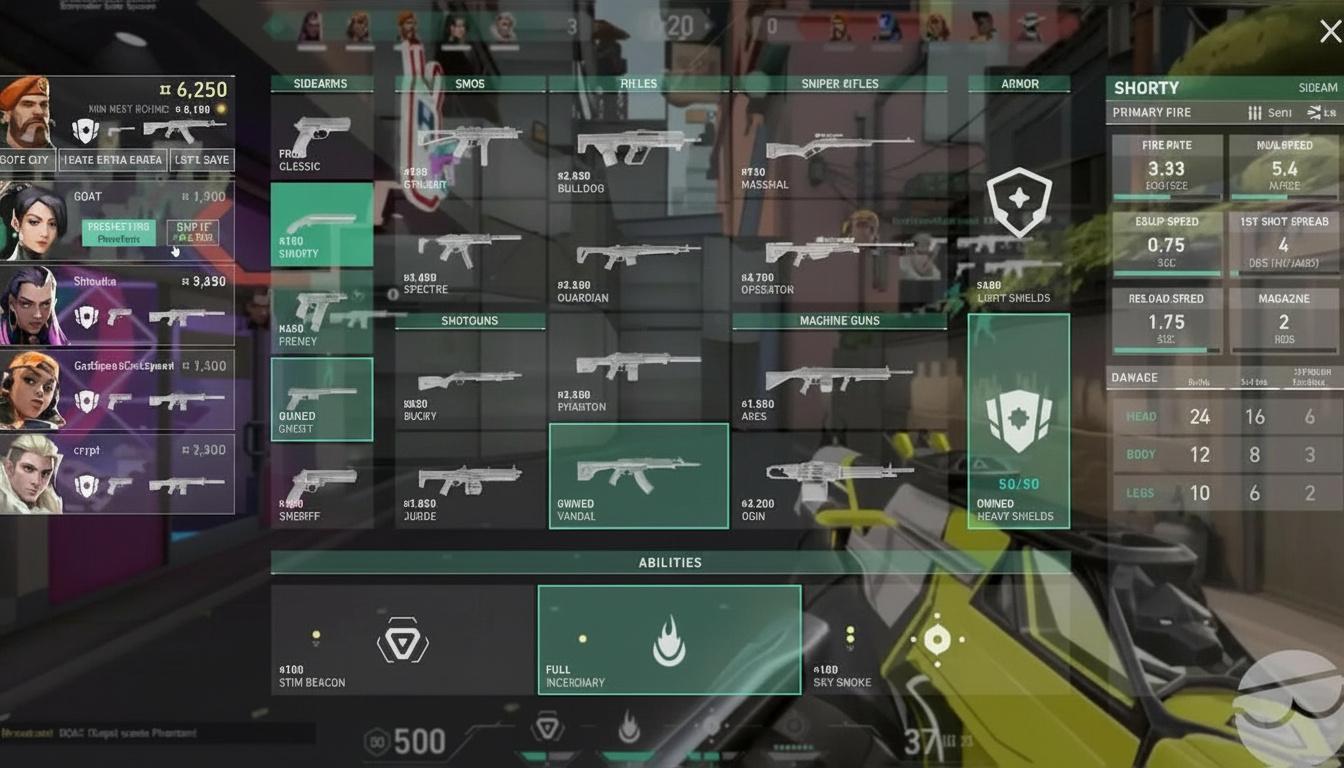
Credits are the currency you spend during the pre-round buy phase to grab weapons, shields, and abilities. Every single decision you make in the shop depends entirely on how much cash you and your teammates are sitting on.
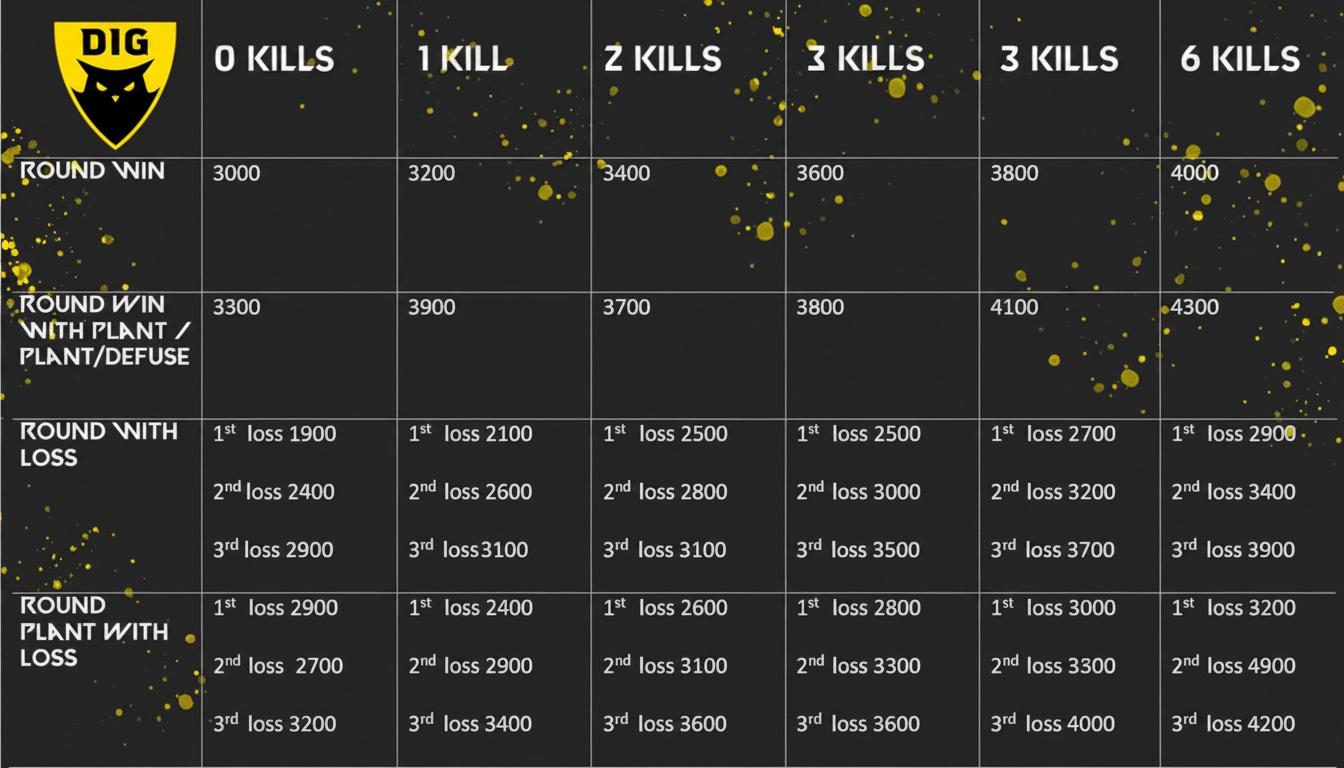
Here is exactly how credits are earned and capped:
| Action/Event | Credits Awarded (per player) |
|---|---|
| Starting credits | 800 |
| Round win | 3,000 |
| Round loss (base) | 1,900 |
| 2nd consecutive loss | 2,400 |
| 3rd+ consecutive loss | 2,900 |
| Kill | 200 |
| Spike plant (team) | 300 |
| Survive as attacker w/o plant | 1,000 (minimum next round) |
| Credit cap | 9,000 |
A few things are worth highlighting here. The loss bonus system is a massive comeback mechanic-after three straight losses, your team gets nearly as much money as the winning side to help close the gap.
Also, never underestimate the spike plant bonus. Even if you lose the round on attack, getting the spike down still hands everyone on your team an extra 300 credits. That tiny boost is often the difference between a weak half-buy and a proper force round.
But the easiest tool to use is the "Minimum Next Round Credits" stat shown in your buy menu. It tells you exactly what you'll have in the bank next round if you lose this one without getting any kills. Get into the habit of checking this before you buy anything — it’s the fastest way to see if you're about to ruin your team's next buy.
Full buy, eco, half buy, force buy and save
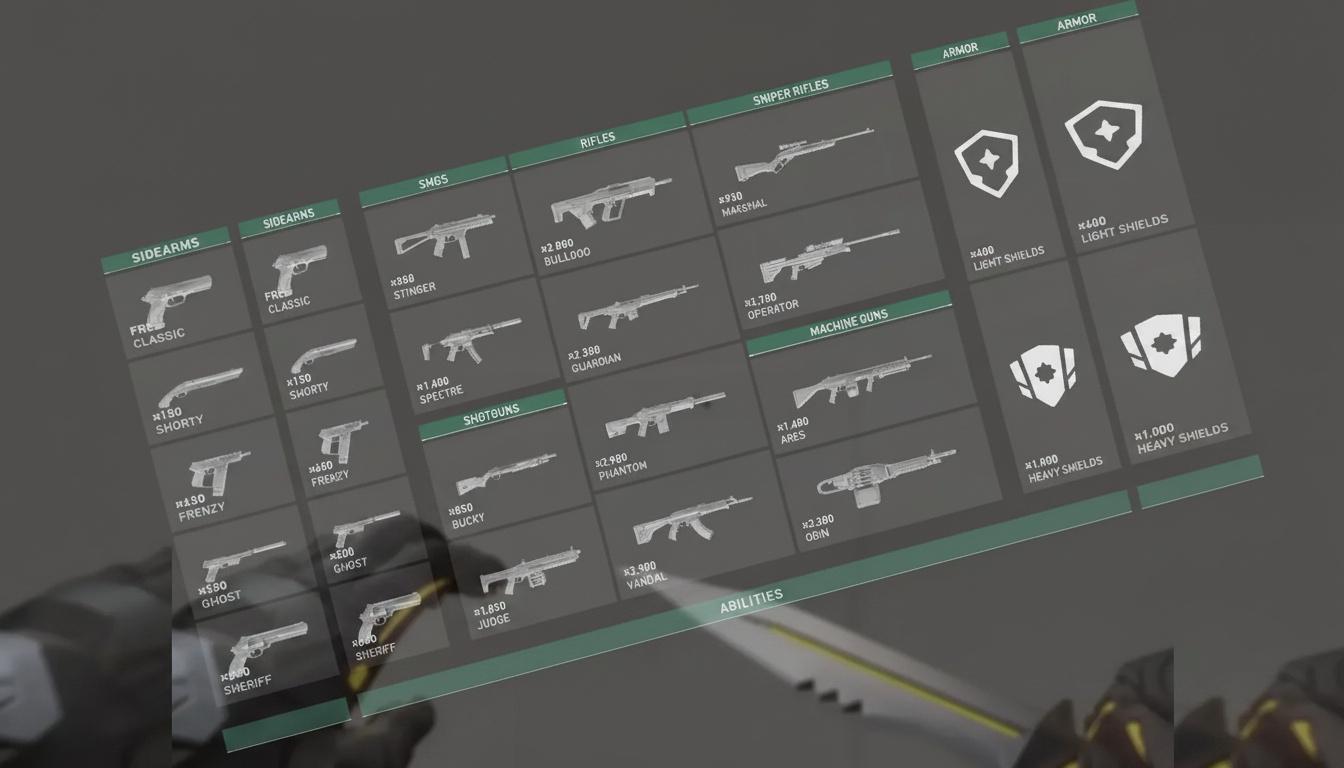
Understanding round types isn't just about learning the terms — it's the actual framework you need to use during every single buy phase.
Full buy
A full buy (or a "rifle round") means you're fully equipped to take a proper fight: a primary rifle (Vandal or Phantom), heavy shields, and your core abilities. This usually runs you about 3,900 to 4,500 credits depending on which agent you're playing.
This is your strongest state, but it only works if the whole team can match it. Buying a Vandal when the rest of your team is on Classics is a fast way to donate an expensive gun to the enemy.
Eco round (full save)
An eco round — or a full save-means keeping your wallet closed. You're either buying absolutely nothing, sticking to a Classic, or maybe grabbing a cheap sidearm or a single ability. Teams on an eco are usually broke, sitting on 1,000 to 2,000 credits.
You aren't expected to win these rounds. The goal is to save enough cash to hit a clean, coordinated full buy next round. Instead of just running down mid and dying, smart teams will stack a site together, hunt for exit kills, or play purely to get the spike down for that extra cash.
Half buy (light buy)
A half buy is the middle ground, usually costing around 2,500 to 3,500 credits. You grab a cheaper weapon like a Spectre, Bulldog, Marshal, or Sheriff, maybe pair it with light shields, and make sure you still have enough left over to full buy next round.
This is a calculated gamble. You use it when you can't afford rifles but don't want to completely hand the round over for free.
Force buy
Forcing means spending every last credit you have to scrape together the best possible loadout, even if it's messy. You'll see a lot of SMGs, shotguns, light shields, and key utility here.
Forcing is usually the play when:
- The enemy team is also broke and you're fighting to break their economy
- It's match point or the final round of the half
- You desperately need to stop their momentum
- The round is simply too high-value to give up without a fight
Just make sure this is a team decision. One person forcing while the other four save is a throw.
Save
Saving means keeping your spending to a minimum-either going completely broke on a full eco or buying just enough to stay useful. The difference between a full save and a light buy is all about intent. A full save is about maximizing your cash for the next round, while a light buy is about balancing your strength now with your strength later.
Saving or half-buying together sets your team up for a massive full buy, while split decisions just lead to a string of frustrating, unwinnable rounds.
Pistol round and round 2 decision guide

The pistol round and the immediate follow-up rounds set the entire pace of the half. Get them right and you're rolling; get them wrong and you'll be playing catch-up for a while.
Pistol round
Everyone starts on an even playing field with 800 credits. You have enough for a pistol upgrade, light shields, or a couple of abilities. No rifles, no heavy shields.
Most players prioritize:
- A Ghost or Sheriff for taking longer duels
- A Frenzy for aggressive, close-range scaling
- Light shields if they want the extra health
- Key utility for taking site or getting info
The key here is coordination. Talk to your team in spawn and decide if you're playing for utility, shields, or raw firepower.
Round 2 after winning pistol
You'll have around 3,000 credits. This is your "anti-eco" round. The enemy is likely broke, so you want to convert your advantage cleanly.
The standard play is to buy SMGs (like the Spectre or Stinger), light shields, and utility. Do not buy a Vandal here. If you die and hand a free rifle to a broke enemy team, you've completely thrown away your early advantage.
Round 2 after losing pistol
This is where ranked teams usually start arguing. You'll have about 1,900 credits (more if you got a plant). You have two real options:
- Force buy: Spend everything on upgraded pistols, SMGs, and light shields to try and catch the enemy off guard and flip the momentum.
- Save (eco): Don't spend a thing so you can hit round 3 with a massive full buy.
Both strategies work, but you have to do it as a team. If three players force and two save, you're going to lose both rounds. Also, if you do decide to force on attack, focus heavily on getting the spike down — that 300-credit bonus keeps your round 3 buy alive.
Round 3 and 4 planning
| Pistol Result | Round 2 Plan | Round 3 Plan |
|---|---|---|
| Win | Buy SMGs/light shields | Bonus round (keep SMGs) |
| Lose | Force or save (team call) | Full buy if saved, force if forced |
If you won the first two rounds, round 3 is your "bonus." Keep the SMGs you survived with, don't upgrade, and accept that you might lose the round to their rifles. The goal is to damage their bank accounts while protecting your own cash so you can full buy in round 4. If you lost the start, focus on syncing up a clean full buy as soon as everyone has the credits.
Bonus and anti-eco rounds

These rounds are all about managing weapon mismatches, but you have to play them with completely different mindsets.
Bonus round
A bonus happens when you keep the cheaper weapons you bought after winning pistol to save money. You'll be fighting rifles with SMGs and pistols, so don't try to take even, long-range duels.
Instead, focus on:
- Playing close together to trade kills instantly
- Stacking sites or playing tight corners where SMGs actually have an advantage
- Going for aggressive, unexpected pushes to catch them off guard
- Damaging their economy as much as possible before you die
Whatever you do, don't panic-buy a rifle mid-round if you die. That completely ruins the next full buy you've been planning for.
Anti-eco round
This is the exact opposite. You have the weapon advantage, and you know the enemy is on pistols.
To play a clean anti-eco:
- Stick to SMGs or cheaper rifles so you don't gift them a Vandal if you die
- Use your utility to clear out close corners where short-range pistols are waiting
- Don't push blindly into tight chokepoints
- Play with your teammates and trade immediately
Over-investing here is a massive trap. Losing a Vandal to a player holding a Classic is the easiest way to throw away a free round.
Stealing a bonus round with SMGs can completely break the enemy's mental and swing the entire half in your favor.
Team economy and buying for teammates
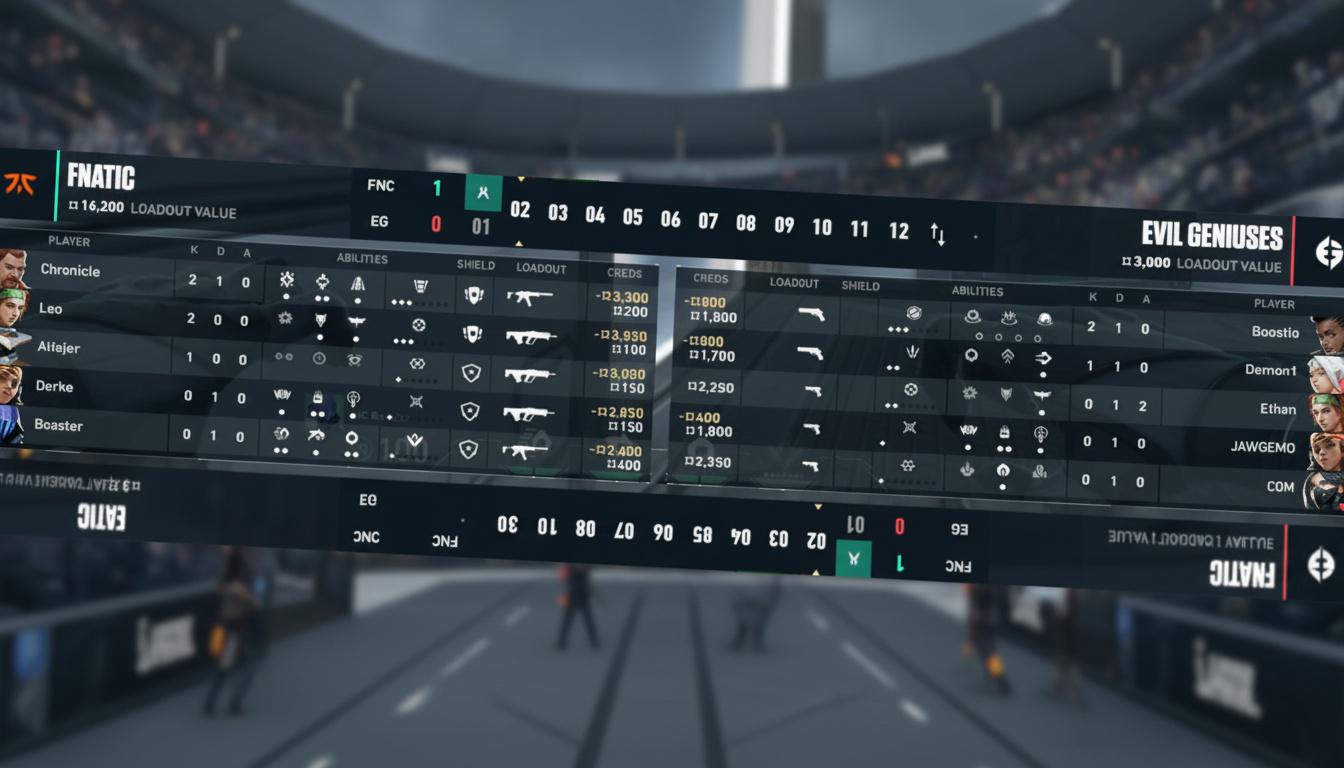
Your personal credit count doesn't matter if your team is broke. One player running a Vandal while four teammates have Classics isn't a real buy round — it's a throw.
The golden rule: buy together or save together.
Use drops to smooth out uneven money:
- If you have extra cash and a teammate is short, buy for them early in the buy phase.
- Don't wait until the last five seconds of the round to ask for or offer drops.
- A single weapon drop can turn a broken round into a fully competitive one.
Try using this simple 3-sentence call in your games:
- Call the round type: "We're full buying," "Force buy," or "Full save."
- Ask for or offer drops: "Who needs a rifle? I can buy."
- Call the plan: "Let's stack A," "Fast hit B," or "Play for trades."
Remember that different roles have different financial needs. Your entry fragger needs armor to survive the initial push, while your support players might need to prioritize their utility kit over a perfect gun.
Always check the scoreboard and offer drops before you spend your extra credits-one drop can save the entire round.
Situational buys and last-round exceptions
Sometimes you have to step outside the standard rules to get an edge.
Hero buy: If one player is incredibly rich, they can buy a rifle on an otherwise eco round with the sole plan of getting an early pick and passing the gun to a teammate. This takes coordination — if the hero dies in a bad spot, you just handed the enemy a free weapon.
Utility-only buy: On eco rounds, support players will sometimes buy nothing but their abilities. This lets them keep their credits high for next round while still contributing smokes, flashes, or mollies to help the team make a play.
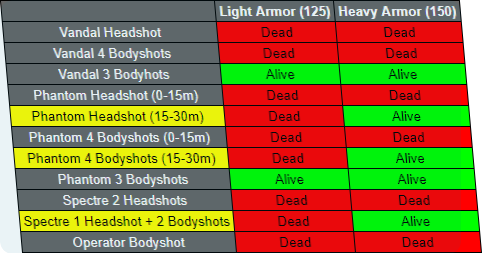
Light armor vs. heavy armor: This is a constant debate, but here is the reality:
- Light armor (400 credits, +25 HP) is great when the enemy is using Vandals, since a headshot kills you regardless of your shields.
- Heavy armor (1,000 credits, +50 HP) is crucial against SMGs, Phantoms at range, and wallbangs where every point of health matters.
- Opting for light armor is a great way to save 600 credits and keep your economy healthy for the next round.
Agent-specific exceptions: Jett and Chamber can use their ultimates as primary weapons. This gives them massive economic freedom, allowing them to save for an Operator or buy rifles for their teammates while still being lethal.
Last round of the half: There is absolutely no reason to save. Your credits reset to zero when you swap sides or when the match ends. Spend every single credit on rifles, full utility, and drops for anyone who needs them.
Common economy mistakes
Most ranked games aren't lost because of bad aim-they're lost because of bad spending habits that snowball over time.
- Buying out of sync: Full-buying while your team is saving, leaving everyone weak.
- Over-buying heavy armor: Spending 1,000 credits on shields when the enemy is strictly using Vandals, wasting money that could go toward utility.
- Ignoring the buy menu stats: Not checking your "Minimum Next Round Credits" and accidentally leaving yourself broke for the next round.
- Buying full utility on eco rounds: Spending all your cash on abilities and failing to hit your credit floor for the next buy.
- Solo forcing: Buying a weapon without telling your team, catching everyone off guard.
- Being stingy with drops: Sitting on 9,000 credits while your teammate is forced to use a Sheriff on a rifle round.
- Saving on the last round: Keeping cash in the bank when the economy is about to reset.
- Gifting weapons on anti-ecos: Taking close-range fights with a Vandal against pistols and giving them a free upgrade.
- Buying too late: Deciding what to buy with five seconds left, leaving no time for setups or drops.
The absolute biggest throw in ranked is solo buying when your team is saving. Your impatience will force your team into multiple weak rounds in a row.
Quick buy checklist and related guides
If you want to work on other areas of your game, our Valorant beginner guide covers agents, roles, and map basics to help you understand what your team needs to succeed.
Quick buy checklist
Run through this quick mental checklist before every single round:
- What round type are we playing? (Full buy, force, bonus, save)
- Can everyone afford to buy? If not, are we saving or half-buying together?
- Does anyone need a weapon drop?
- Do I have enough for my key utility and armor?
- What will my credits look like next round if we lose this one?
- Are we adjusting our loadouts to counter what the enemy is buying?
- Is this the last round of the half? (If yes, spend everything!)
Make this a habit. It only takes five seconds at the start of the buy phase, but it will save you from the basic economic mistakes that cost games.